Free U.S. Shipping on All Orders — Shop Now
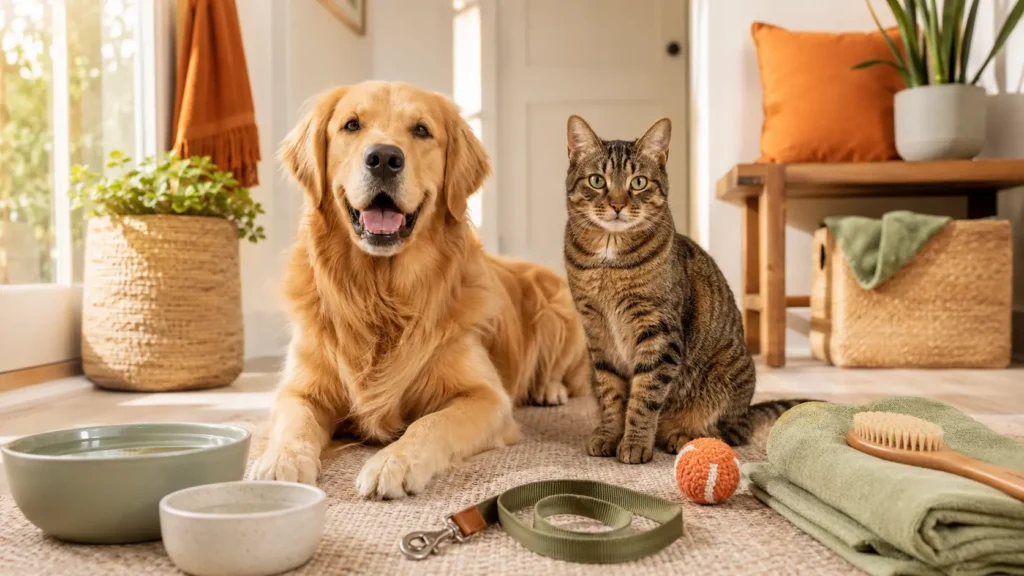
Golden retriever beside fresh water and food bowls in a bright home

How to Choose the Right Pet Supplements

Dog Wellness • 6 min read

How to Support Your Dog’s Digestive Health

A steady routine, appropriate nutrition, fresh water and careful observation can make everyday care easier. Here are seven practical habits—and the signs that mean it is time to call your veterinarian.

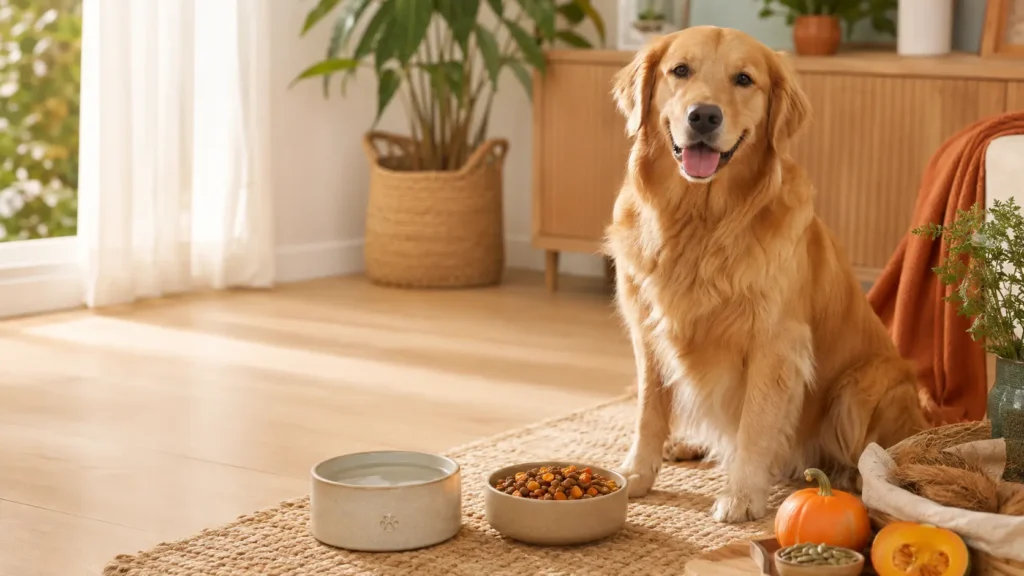
Golden retriever beside fresh water and food bowls in a bright home
Simple, consistent habits are the foundation of a manageable daily routine.

Digestive wellness is not about chasing a single “perfect” ingredient. It begins with a routine suited to your dog’s age, size, activity level and individual needs. A veterinarian can help you choose an appropriate diet, especially for puppies, senior dogs or dogs with an existing health condition.

1. Keep Food Choices Consistent

Choose a complete diet that is appropriate for your dog and serve the amount recommended for their individual needs. Frequent switching, oversized portions and too many table scraps can make it difficult to understand what is working.

Treats also count toward your dog’s daily intake. Keep them modest and check that every snack is safe for dogs. If you are unsure about a food or ingredient, ask your veterinarian before offering it.

2. Make Food Changes Gradually

A sudden change in food may be difficult for some dogs. When moving to a new diet, use the transition instructions provided by the manufacturer or your veterinarian. Introduce one meaningful change at a time so you can observe how your dog responds.

Practical tip: Keep the old food package until the transition is complete. The ingredient list, lot number and best-by date may be useful if you need to discuss a reaction with the manufacturer or your veterinarian.

3. Keep Fresh Water Available

Provide clean drinking water throughout the day. Wash bowls regularly and place them somewhere easy for your dog to reach. During warm weather, travel or activity, check water more frequently.

A noticeable change in drinking can be important. If your dog suddenly drinks much more or less than usual, contact your veterinarian for advice.

4. Use a Regular Meal Routine

Consistent mealtimes can help owners monitor appetite and notice changes. Measure portions instead of estimating, keep food stored as directed, and wash feeding tools after use.

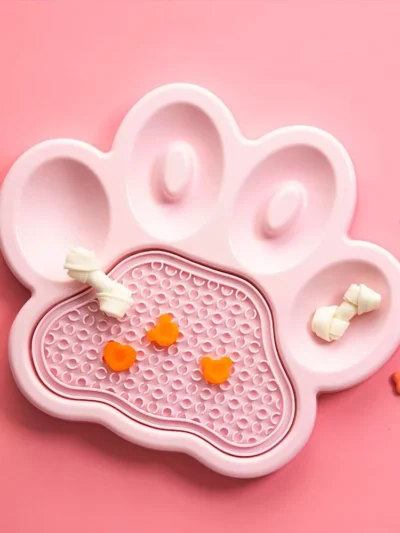
If your dog eats very quickly, ask your veterinarian whether a slower feeding setup is appropriate. Supervise any feeding accessory and choose a size and design suited to your dog.

5. Include Appropriate Daily Movement

Regular activity supports an overall healthy routine and gives dogs useful mental stimulation. The right amount depends on age, breed, weather, mobility and health. Avoid intense exercise immediately around large meals, and ask your veterinarian for an individualized plan if your dog has limitations.

6. Notice Changes Early

You do not need a complicated tracker. A short note about appetite, water intake, stool, vomiting, energy and any new foods can help reveal a pattern. Also record medications, chews and supplements because they are part of the complete picture.

  • What changed, and when?
  • Was a new food, treat or product introduced?
  • Is your dog eating, drinking and behaving normally?
  • How long have the signs continued?

7. Know When to Call Your Veterinarian

Digestive signs can have many causes, so persistent or severe symptoms should not be managed with guesswork. Contact a veterinarian promptly for repeated vomiting, persistent diarrhea, blood in vomit or stool, a swollen or painful abdomen, unusual weakness, refusal of water, suspected poisoning or any rapid decline.

Important: Puppies, senior dogs and dogs with existing conditions can become unwell more quickly. If you are worried, contact your veterinarian or an emergency veterinary clinic rather than waiting for an online remedy.

A Simple Routine You Can Maintain

The most useful routine is one you can repeat: suitable food, measured portions, fresh water, appropriate activity and regular observation. These habits do not replace veterinary care, but they can help you notice when something is different.

Support the Everyday Routine

Explore practical feeding, hydration and care accessories selected for everyday pet households.

Shop Dog Supplies

Leave a Comment

Your email address will not be published. Required fields are marked *

Before You Go...
10% Coupon!

Take 10% Off Your First Order

Use code at checkout on your first order of $30 or more. Excludes sale items.

You may also like...
Shopping Cart
Your cart is currently empty!.

You may check out all the available products and buy some in the shop.

Continue Shopping
Add Order Note
Estimate Shipping